Revamping
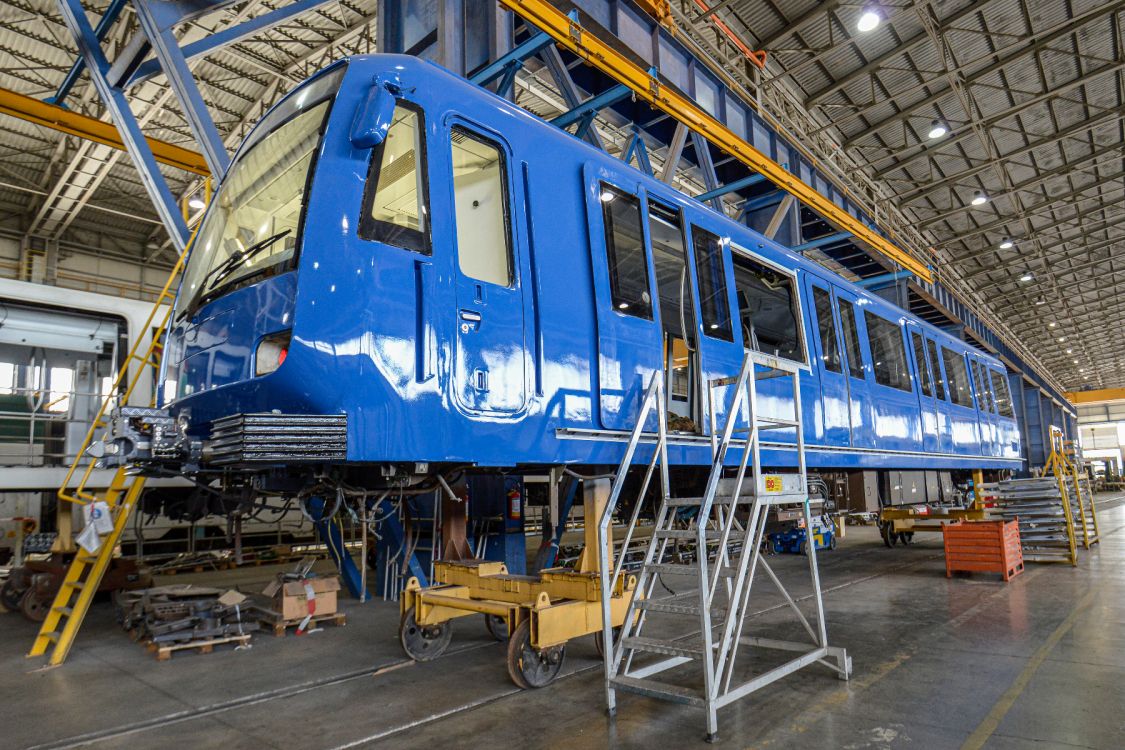
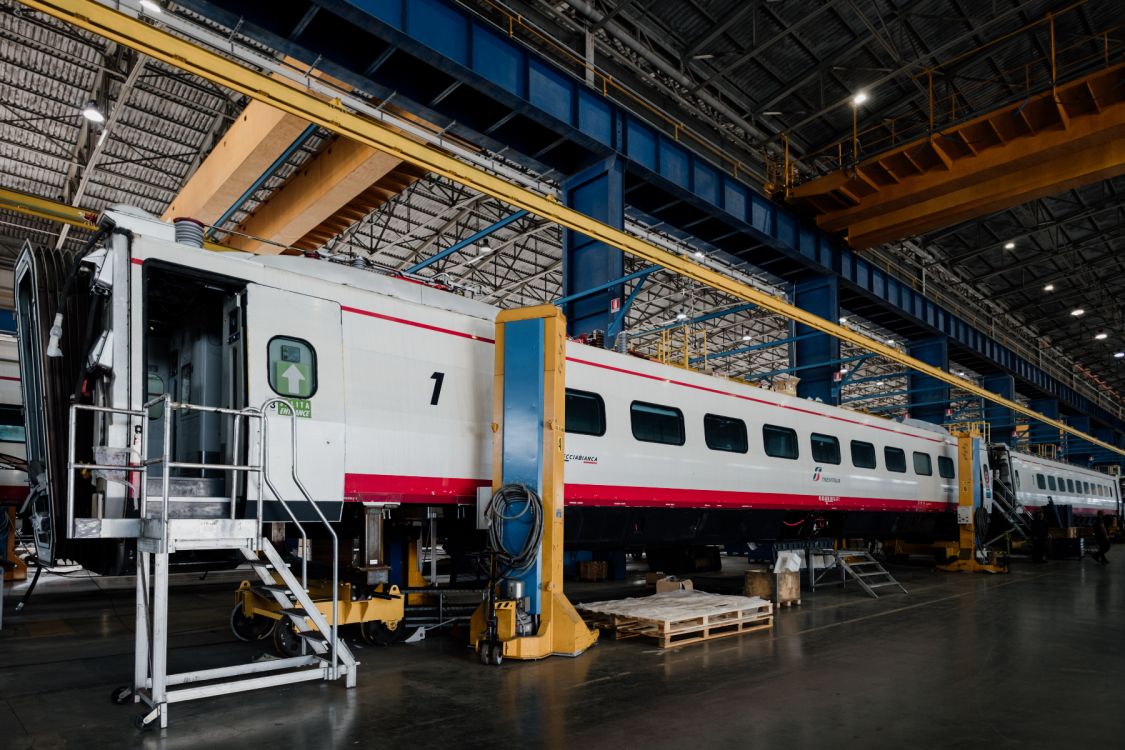
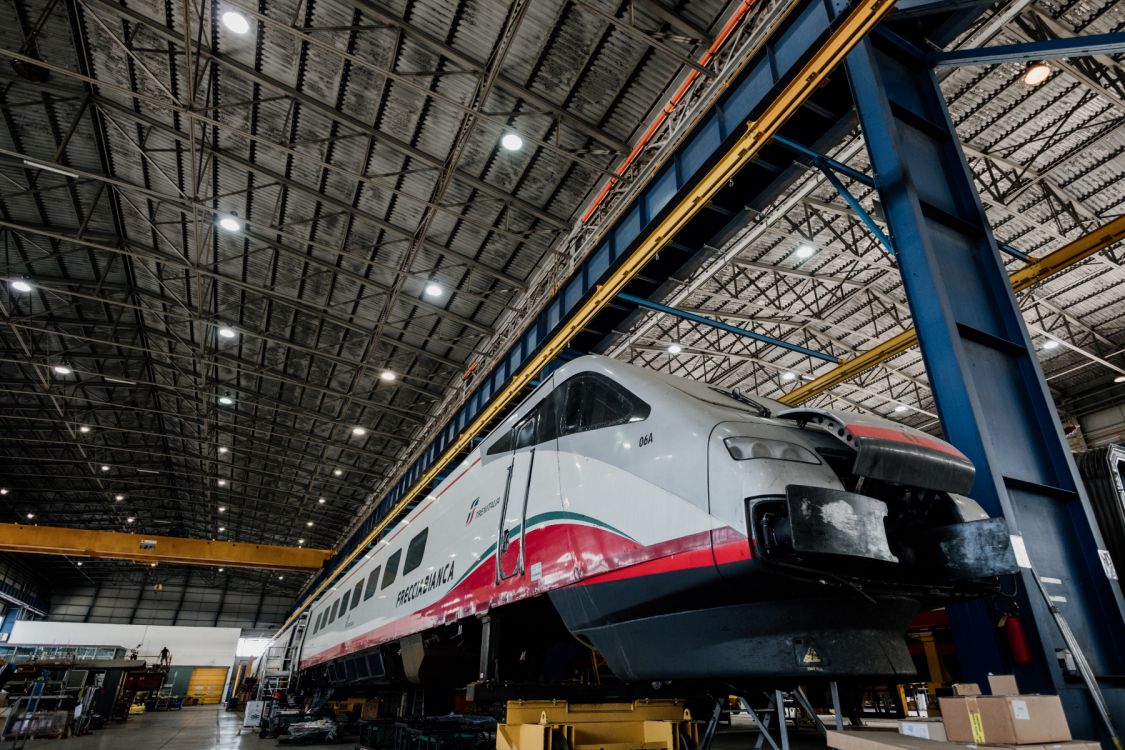
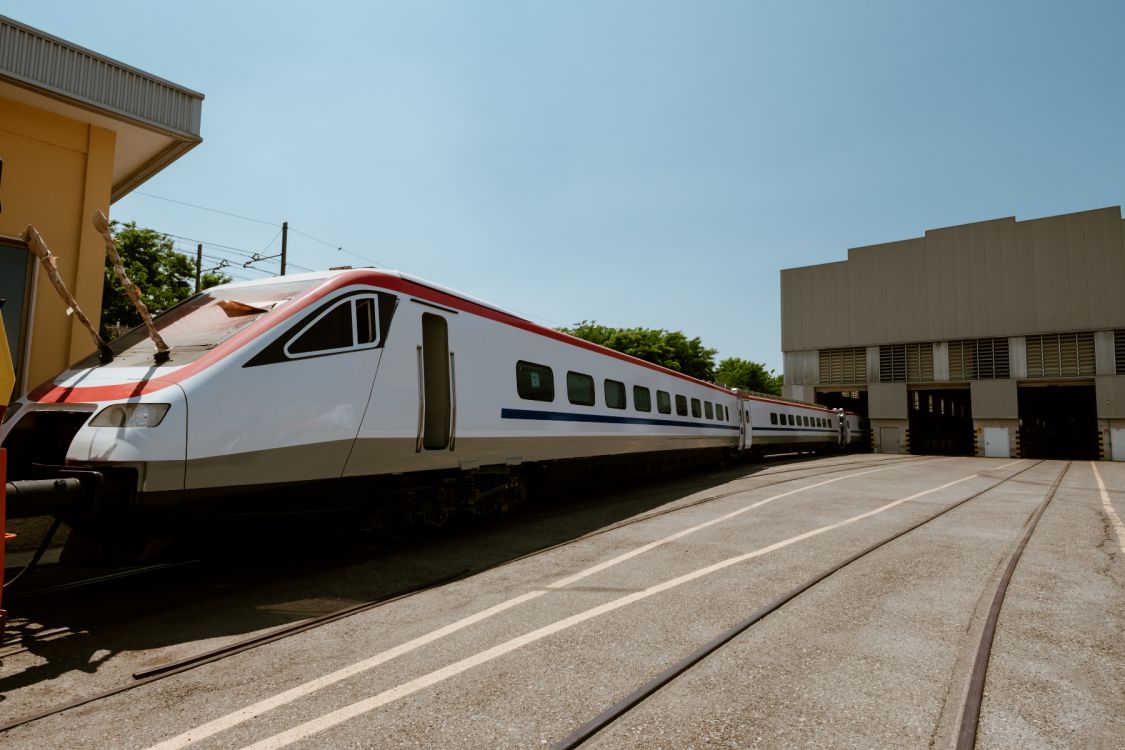
The modernization, or revamping, of railway vehicles (coaches, EMUs, locomotives, trams/metro vehicles) is a “mid-life” intervention or deep refurbishment: it is not simple maintenance, but a set of structural, systems-related and functional works aimed at extending the vehicle’s service life and bringing it up to more modern standards (comfort, reliability, safety, accessibility, energy efficiency, technological upgrades).
In practice, depending on the case, it may include:
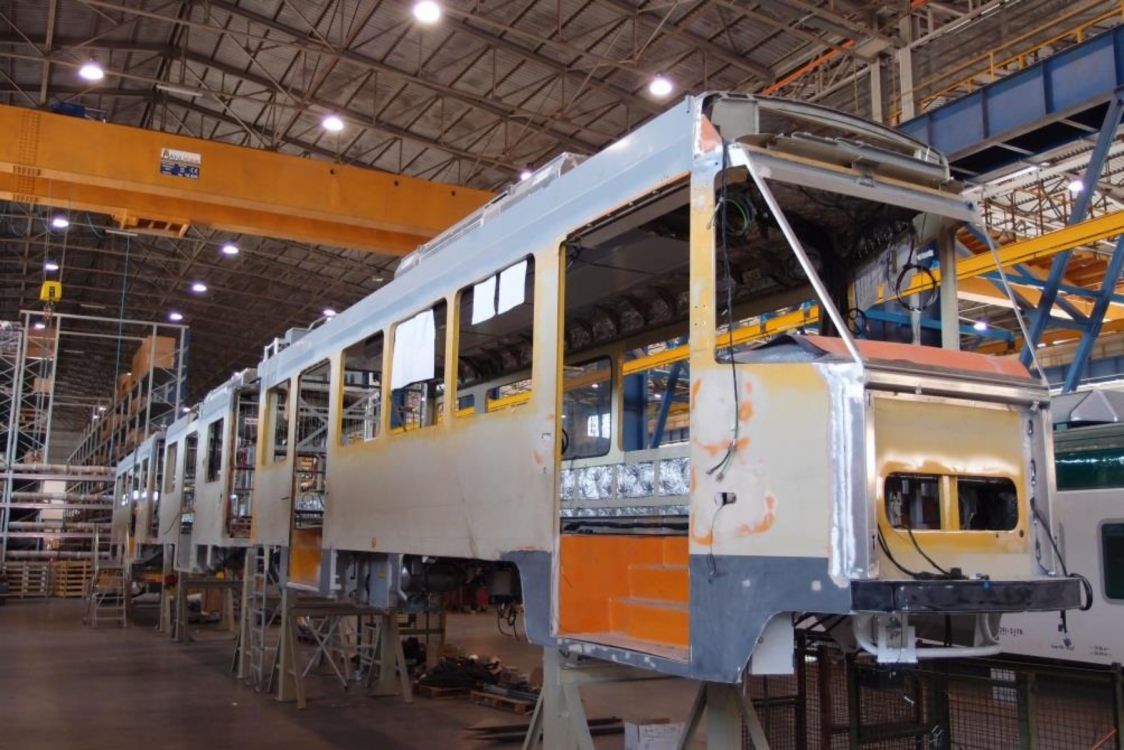
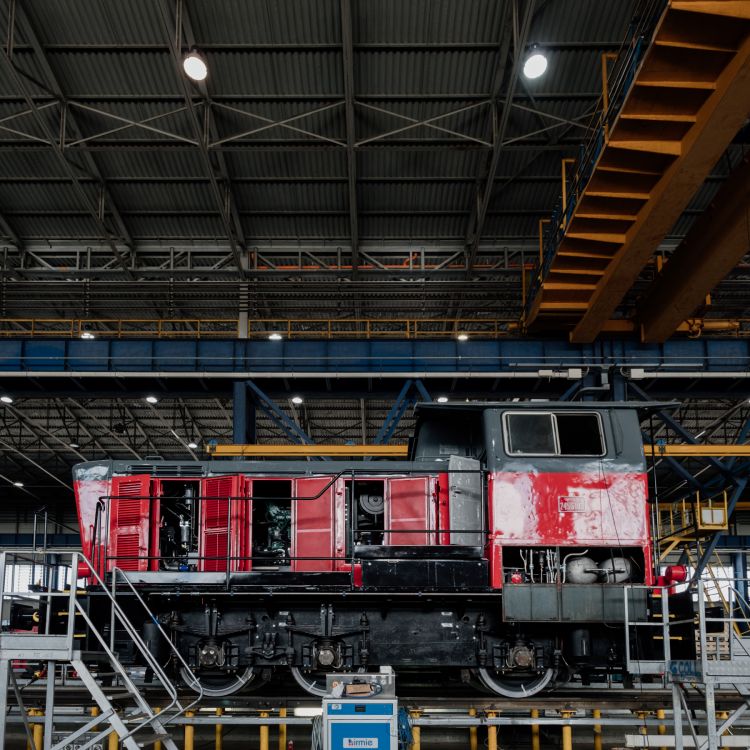
- complete disassembly and inspections (carbody, bogies, systems);
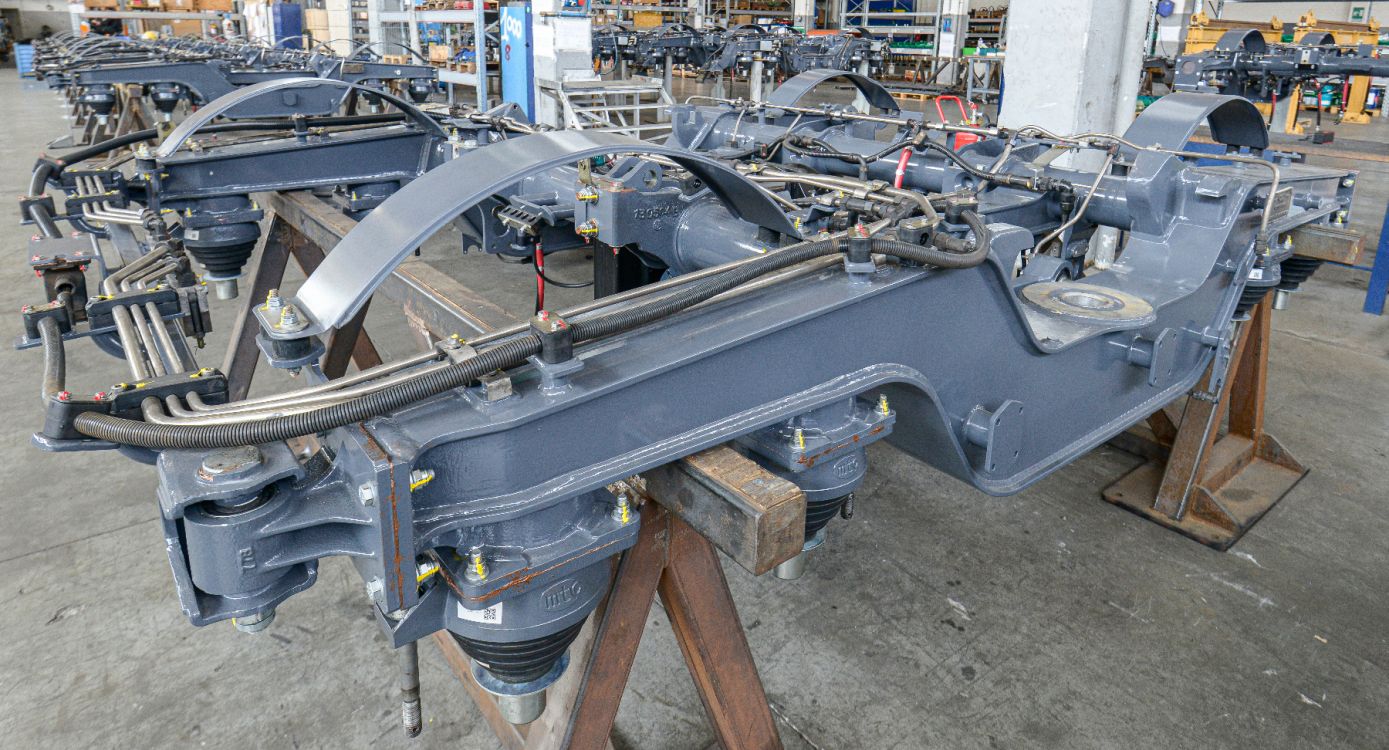
- overhaul/regeneration of reusable components (bogies, equipment, subassemblies);
- structural repairs and metalwork modifications (corrosion treatment, reinforcements, design adaptations);
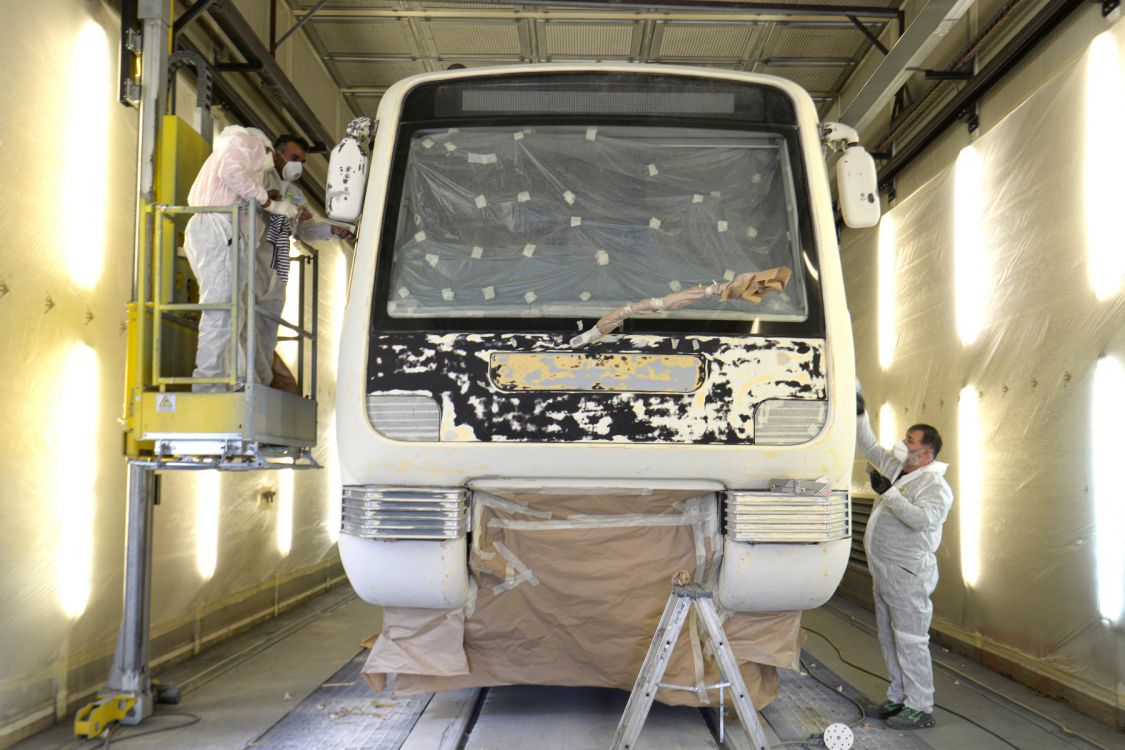
- painting and treatments, as well as renewal of thermal and acoustic insulation;
- new wiring and upgrading/integration of electrical/electronic equipment (diagnostics, control, infotainment, etc.);
- systems upgrades (doors, HVAC/heating, pneumatic systems, interiors/fittings, etc.).
Thanks to its specialized and fully integrated engineering and industrial capabilities, and to its broad, cross-cutting experience across all types of rolling stock, SITAV is able to meet requests for modernization and refurbishment, designing and implementing modifications according to customer needs.
Revamping activities represent an excellent solution to promote decarbonization and the circular economy, as they make rail transport more sustainable by recovering and deeply upgrading vehicles already in service. Revamping extends the service life of rolling stock and reduces the need for full replacements: this matters because building a new vehicle involves significant “embodied” environmental impacts linked to the production of materials and components, industrial processing and logistics. Extending the use of what already exists, instead, avoids part of these emissions and moves closer to a circular-economy approach. A well-designed revamp can also be an opportunity to reduce energy consumption during operation. In parallel, certain upgrades can help reduce local impacts such as noise and vibration, thanks to more modern components and higher-performing system solutions.
In some cases, revamping does not merely mean “making it as good as new”, but becomes a true technological retrofit: it may include more radical integrations or transformations that prepare the vehicle for lower-emission traction and power supply solutions, or in any case for more sustainable operation. Finally, there is a often underestimated effect: a more reliable vehicle, with renewed systems and more advanced diagnostic solutions, breaks down less and requires more targeted interventions. This reduces waste, premature replacements and downtime, with an additional indirect environmental benefit.
.jpg)


.jpg)